A new clinical trial led by the University of Birmingham aims to determine whether faecal microbiota transplantation (FMT) can correct gut microbiome imbalances in primary sclerosing cholangitis (PSC), a rare liver disease.
If successful, the new treatment could offer PSC patients an alternative outcome and could improve quality of life by potentially slowing or reversing the disease’s progression.
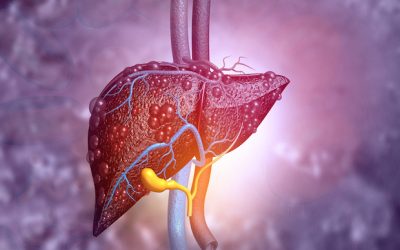
Estimated to affect approximately one in 100,000 people every year worldwide, PSC is a chronic liver disease that occurs when the bile ducts inside and outside the liver become inflamed and scarred, and eventually narrowed or blocked.
Led by the Birmingham Cancer Research UK Clinical Trials Unit and funded by LifeArc and PSC Support, the multi-centre, double-blind, placebo-controlled study, FARGO, has recruited its first patient and aims to recruit a total of 58 PSC patients from across various sites in England, including Birmingham, Royal Free London, St Mark’s Hospital, Imperial College London, and Norfolk and Norwich University Hospitals NHS Foundation Trust, to receive either FMT once a week for eight weeks or a placebo.
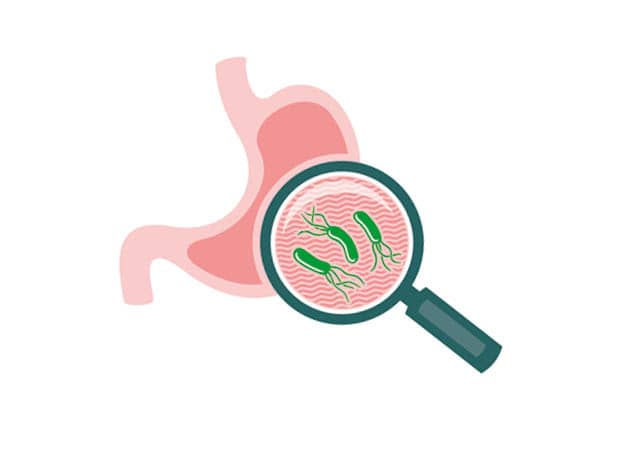
FMT involves collecting health bacteria known as microbiota from the stool of healthy donors, refining it in a laboratory and transferring it to the bowels of PSC patients, which has been previous demonstrated to be safe and effective in treating inflammatory bowel disease and clostridium difficile infection.
Trial lead, Dr Palak Trivedi, clinician scientist, National Institute for Health and Care Research’s Birmingham Biomedical Research Centre, commented: “We are very excited to have our first patient joining this innovative trial. There is currently no cure or medication for PSC, and this is the first time worldwide that FMT treatment is being investigated for patients with the disease.”
Dr Catriona Crombie, head of rare disease, LifeArc, said: “Should this trial show that FMT works well, PSC Support will be advocating for patients to access FMT as early as possible… making a difference to patients within five years after we’ve completed this work.”