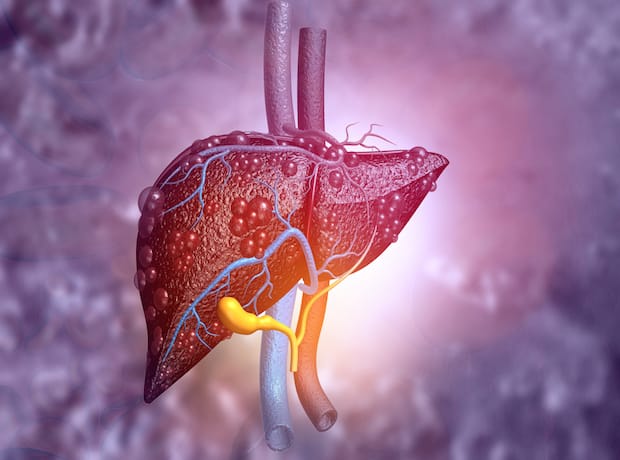
Resolution Therapeutics has welcomed new four‑year follow‑up data from the University of Edinburgh’s MATCH trial, which investigated regenerative macrophage therapy in patients with liver cirrhosis.
The results, published in Cell Stem Cell, arrive as the company advances its phase 1/2 EMERALD clinical trial of RTX001, its engineered macrophage therapy for end‑stage liver disease.
The MATCH study, led by Resolution’s founder Professor Stuart Forbes, evaluated the first iteration of regenerative macrophage therapy using patients’ own non‑engineered macrophages.
According to the University’s findings, this approach demonstrated a favourable safety and tolerability profile with no evidence of increased serious adverse events. Patients treated with the therapy also showed significantly prolonged transplant free survival compared with those receiving standard care.
Specifically, 70 per cent of patients who received the University’s macrophage therapy were living without the need for a liver transplant four years after treatment, compared with 40 per cent of those who received standard care.
Dr Clifford Brass, Chief Medical Officer of Resolution Therapeutics, said: “All of us at Resolution Therapeutics would like to congratulate Professor Stuart Forbes and his University of Edinburgh team on this important clinical milestone. Our work at Resolution would not have been possible without their foundational research.
“The MATCH four-year data reinforce the scientific rationale for Regenerative Macrophage Therapies to address inflammation and fibrosis in the liver, targeting a clear and significant unmet medical need. We look forward to the interim results from the EMERALD study – testing RTX001, our engineered RMT, in patients with end-stage liver disease – later this year.”
Resolution is developing engineered regenerative macrophage therapy using macrophages enhanced with IL‑10 and MMP9 to deliver superior anti‑inflammatory and anti‑fibrotic activity.
Preclinical testing has shown a more potent and durable therapeutic effect than non‑engineered macrophages, supporting use in patients with more advanced disease, including those with previous decompensation events.
Beyond RTX001, the company is also advancing preclinical programmes in graft‑versus‑host disease and lung fibrosis.