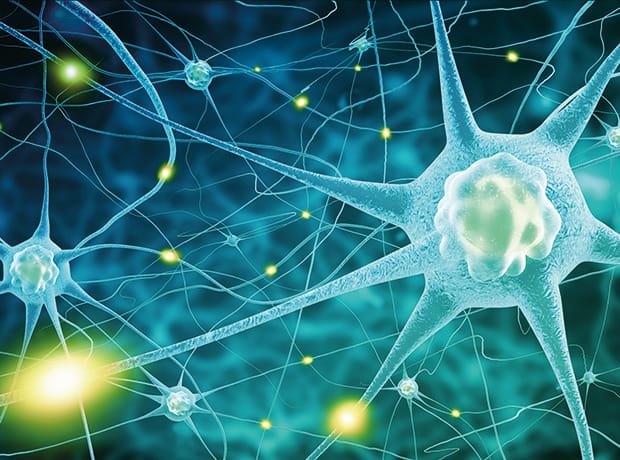
Porosome Therapeutics has announced major advances in Alzheimer’s disease research, including FDA validation of organoid-based studies and the development of novel Tau-targeting therapies. The company’s platform aims to modify disease progression rather than manage symptoms.
Using its “Reprogram, Restore, and Rescue” strategy, Porosome Therapeutics introduces healthy porosomes into diseased neurons. These nanomachines restore secretory and metabolic function, addressing the root causes of Alzheimer’s.
CEO Guillermo Marmol said: “Unlike therapies that merely dissolve beta amyloid plaques, our platform directly targets the core biological dysfunctions of Alzheimer’s, restoring both neurotransmission and metabolic integrity.”
He added: “Given Alzheimer’s is a serious and life-threatening disease with no effective treatment options, and based on our ability to deliver quantifiable, biomarker-driven improvements, including Tau reduction and disease reversal in human brain organoids, we are actively exploring the FDA’s accelerated approval pathway.”
Recent studies show Porosome Therapeutics’ approach significantly reduces Tau protein levels, a key FDA-approved biomarker. The company’s therapy also reversed Alzheimer’s pathology in human brain organoids within two weeks.
Organoid models are three-dimensional cell cultures derived from stem cells that replicate human organ function. Founder and Chairman Dr Bhanu P Jena said: “When using human brain organoids, we’re able to observe the molecular activity of the porosome at an entirely new scale.”
The company is also using artificial intelligence to design decoy peptides that neutralise toxic beta amyloid (1-42), which disrupts porosome function and impairs neurotransmission. These AI-designed peptides bind strongly to beta amyloid, protecting neuronal activity.
Porosome Therapeutics has identified three therapeutic classes for Alzheimer’s: small molecules and peptides to restore mitochondrial function, biologics to reconstitute the porosome complex, and AI-designed peptides to neutralise beta amyloid.
The company has expanded its product portfolio to reflect these discoveries and its commitment to advancing new treatment modalities.