US regulators have approved Biocodex’ Diacomit for the treatment of seizures associated with Dravet syndrome (DS), a rare and difficult to treat form of epilepsy.


US regulators have approved Biocodex’ Diacomit for the treatment of seizures associated with Dravet syndrome (DS), a rare and difficult to treat form of epilepsy.

The government has asked drug manufacturers to increase stockpiles of medicines to ensure continued supply in the event that the UK leaves the EU in a ‘no-deal’ scenario.

Shire’s Takhzyro has been approved in the US for the prevention of attacks of hereditary angioedema (HAE) in patients 12 years of age and older.

US regulators have rejected an application by Mallinckrodt to market stannsoporfin for newborns at risk of jaundice.

US regulators have approved the first drug to treat neurotrophic keratitis, a rare degenerative disease affecting the cornea.

Rare disease group Swedish Orphan Biovitrum (Sobi) says it has gained NHS England reimbursement for Ravicti for long-term management of urea-cycle disorders (UCDs) in adults and children.

Swiss biotech Novimmune has submitted a marketing application in Europe seeking permission to market its lead compound emapalumab for the treatment of patients with primary Hemophagocytic Lymphohistiocytosis (HLH).

AstraZeneca has announced mixed top-line results from the AERISTO Phase IIIb trial for Bevespi Aerosphere in patients with moderate to very severe chronic obstructive pulmonary disease (COPD).

Chippenham, UK-based Vectura says it has now successfully concluded two paediatric studies to support the potential use of asthma drug/device combo VR647.

A NICE green light is allowing men with benign prostatic hyperplasia to receive a procedure called transurethral water vapour ablation on the NHS.
MSD’s Keytruda has been awarded full approval in the US in combination with Lilly’s Alimta and platinum chemotherapy as first-line treatment for metastatic non-squamous non-small cell lung cancer.

A chemo/targeted drug combination being trialed by UK researchers has shown promise in patients with advanced ovarian or lung cancer in whom all other treatments have failed.

Cancer Research UK-funded scientists based at the University of Cambridge have identified a new target for the treatment of lung squamous cell carcinoma.
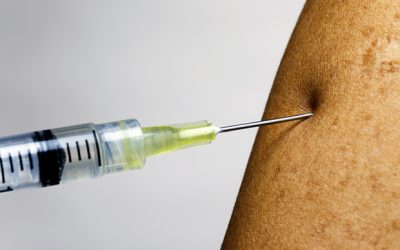
The World Health Organisation is calling on countries to implement broad measures to stop the spread of measles after the number of cases reached a record high in the region.

Pfizer’s lorlatinib has been designated a Promising Innovative Medicine for the treatment of some patients with ALK-positive advanced non-small cell lung cancer.
