Bringing an end to a four-year partnership, Sanofi has terminated its agreement with MyoKardia to jointly develop small-molecule therapeutics, targeting genetic mutations associated with certain heart diseases.


Bringing an end to a four-year partnership, Sanofi has terminated its agreement with MyoKardia to jointly develop small-molecule therapeutics, targeting genetic mutations associated with certain heart diseases.

NHS England is urging patients to cancel appointments rather than just not show up, after news emerged that more than 15 million general practice appointments are being wasted each year because patients do not turn up and fail to warn surgeries in advance.
Pfizer and Merck KGaA have announced that they will be terminating the Phase III JAVELIN Ovarian 100 study of Bavencio, as the data did not support the study’s initial hypothesis.
The PharmaTimes Clinical Researcher of the Year – The Americas in association with MAGI has a broad range of entry points for teams looking to compete among the very best in the industry.

Actelion Pharmaceuticals has announced that NHS patients in England, who have the rare, incurable and devastating disease pulmonary arterial hypertension (PAH), can now be treated with Uptravi.
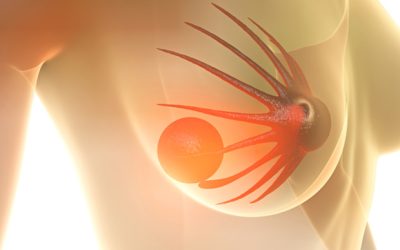
Researchers from Cardiff University have discovered a protein driving aggressive breast cancer, which they say could be targeted for developing new and improved therapies.
UK patients with a form of advanced lung cancer will soon be able to access the immunotherapy drug Tecentriq in combination with Avastin, carboplatin and paclitaxel through the Early Access to Medicines Scheme (EAMS).

NHS England has announced that from April this year it will fund Novartis’ Afinitor (everolimus) for patients living with Tuberous Sclerosis Complex (TSC)-related refractory epilepsy.

The National Institute for Health and Care excellence (NICE) has recommended Eisai and MSD’s Lenvima, a potentially life-extending treatment for adults with advanced liver cancer.

Researchers at Imperial and Bayer Pharmaceuticals are partnering up to explore how artificial intelligence (AI) can be used to accelerate the discovery of new drugs for heart conditions.
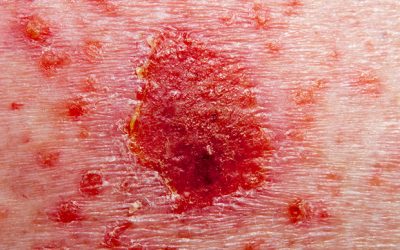
Scientists at the University of Birmingham have announced the discovery of a protein that could hold the key to novel gene therapies for skin problems such as psoriasis.

A practice-changing new clinical trial has been found to reduce long-term radiotherapy side effects in women with breast cancer.

Gilead Sciences and Agenus have announced a partnership to focus on the development and commercialisation of up to five novel immuno-oncology therapies.

Proposed new post-Brexit immigration rules have been released by the Home Secretary, which set out plans for a new single, skills-based immigration system, marking the end of free movement.
The National Institute for Health and Care Excellence (NICE) has announced the release of a second set of guidelines recommending three tests as options to help NHS clinicians decide whether to prescribe chemotherapy for some people with early breast cancer.
