It’s not too late! The deadline for the PharmaTimes Clinical Researcher of the Year (CROY) 2019 awards has been extended to the February 25.

It’s not too late! The deadline for the PharmaTimes Clinical Researcher of the Year (CROY) 2019 awards has been extended to the February 25.

The National Institute for Health and Care Excellence has recommended Eli Lilly’s Verzenios in combination with an aromatase inhibitor as treatment option for locally advanced or metastatic breast cancer

Janssen’s new treatment for prostate cancer Erleada has been licensed by the European Commission.

Footcare brand Scholl has announced it is joining forces with The College of Podiatry (COP) to raise awareness of foot health.

Queen’s University researchers have developed a new test to detect disease and infection that could save time, money and possibly lives.

The National Institute for Health and Care Excellence has announced that an “exciting development” could increase the number of livers which can be safely used for transplantation.

A study carried out by researchers from the University of Cambridge, National Cancer Institute, National Institutes of Health in the US among others has shown how putting different genetic and risk factor data into a prediction equation could help us understand how likely a woman is to develop breast cancer.
GlaxoSmithKline subsidiary Adriatic Acquisition Corporation (AAC) has extended the expiration date for its tender offer for US-based Tesaro.

Pharmaceutical groups weigh in on the UK parliament’s rejection of the Brexit withdrawal agreement.

Over a thousand people with psychosis are still waiting for treatment on the NHS.

The Royal Pharmaceutical Society has begun to produce its first ever ‘Professional Standards for Community Pharmacy Services’.
Merck’s Keytruda has been found to reduce risk of death by 31% compared to chemotherapy, when used in previously treated patients with advanced esophageal or esophagogastric junction carcinoma, whose tumours express PD-L1.

Responding to the NHS’ long-term funding plan, experts have cautioned that for progress to be made, the funding must be protected for an appropriate time period.

The European Commission has approved Bristol-Myers Squibb’s Opdivo in combination with low-dose Yervoy for first-line treatment of patients with intermediate and poor risk advanced renal cell carcinoma (RCC).
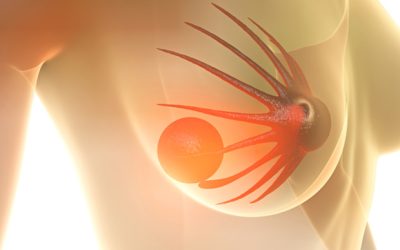
The Scottish Medicines Consortium (SMC) has recommended four medicines – including Roche’s breast cancer drug Perjeta – for use on the NHS.
