The 2020 PharmaTimes International Clinical Researcher of the Year will be closing for entry at midnight this Thursday the 23rd of January.

The 2020 PharmaTimes International Clinical Researcher of the Year will be closing for entry at midnight this Thursday the 23rd of January.

The recommendation is based on data from the Phase III clinical trial, PALOMA-3, in which Ibrance delayed disease progression by 6.6 months.

The plans were “ambitions”, and primary care is not being given the time, support and funding it needs.
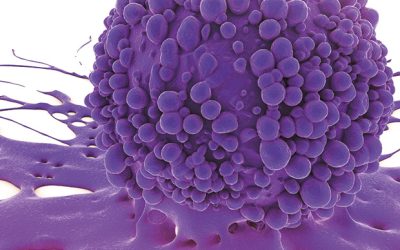
The organisation, however, encourages further data collection on similar “game changing” histology independent cancer drugs.
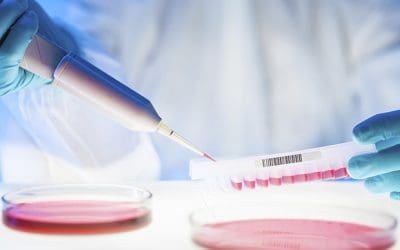
The new study included data from low- and middle-income countries, bringing the estimated total from 5.3 million deaths to 11 million.
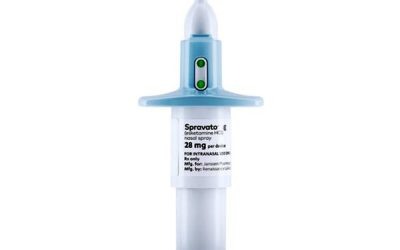
The J&J division seeks to expand the use to adults with major depressive disorder who have current suicidal ideation with intent.
The suggestion comes after December showed the “worst waiting times on record.”
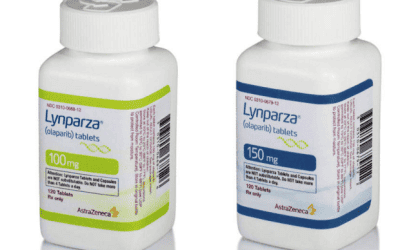
In a trial the drug stalled cancer growth for around 13.6 months compared to placebo.
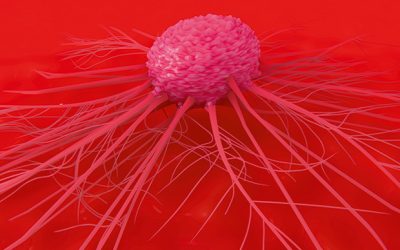
Although it’s early stages, the research could eventually help develop new ways to combat melanoma.

The industry currently supports over 3,000 jobs, with 1,700 roles in manufacturing and bioprocessing.

The decision, which is for HNSCC, brings the UK “further out of step with clinical practice in the rest of the world.”
The results are the latest in a number of recent studies which have found a link between brain function and the digestive system.

Despite the vulnerability to cyber attacks, just 24% of companies have an adequate level of budget allocated to cyber security.

The company expects a CHMP decision in the second half of 2020.

The San Fransisco-based biotech built the first CRISPR-based detection platform for diagnostics.
