Bristol-Meyers Squibb said that it will continue to support the evaluation of cabiralizumab in select, ongoing investigator-sponsored trials.


Bristol-Meyers Squibb said that it will continue to support the evaluation of cabiralizumab in select, ongoing investigator-sponsored trials.
The decision was based on results from the Phase III ATTR-ACT study.

The company joins J&J, Gilead and GSK in the ranks searching for a vaccine for the global health epidemic.

Jake Ternet, patient at Moorfields Eye Hospital was the first in the UK to receive the treatment.
The Society hopes that the new online function will relieve pressure on healthcare professionals, and could result in significant cost savings for the NHS as demand for the face-to-face programme lessens.
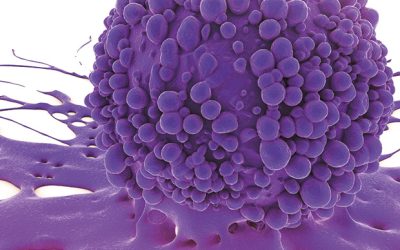
Understanding how cells communicate could reveal how tumours are able to evade the immune system and become resistant to treatments.
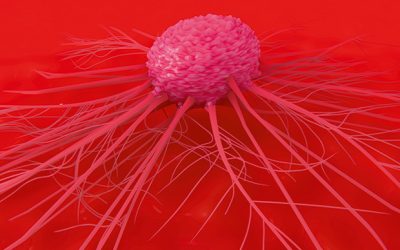
To develop the maps, the team looked within 483 different tumour samples for the presence of 37 key proteins.

The drug is the first EC-approved anti-VEGF treatment to demonstrate superior resolution of retinal fluid, compared to Bayer’s Eylea.

The news comes as drug discovery rates are declining, the price of bringing a drug to market is increasing, and return on investment (ROI) on R&D is expected to hit 0% in the next few years.

Macmillan Cancer Support has cited “soaring” pressures on the NHS, leaving staff table to provide the appropriate care for patients.
The information is as relevant than ever, with Coronavirus still spreading globally.

If approved, the drug could have huge benefits for patients as they could self-administer their therapy from home.

PKU is a rare, inherited metabolic disorder that affects approximately 70 babies each year in the UK.

Interim data from the Phase IIIb STARDUST study showed that 79% of patients with moderately to severely active Crohn’s disease (CD) achieved clinical response and 67% were in clinical remission.
Many of the cases in 2019 were seen in the so-called ‘Wakefield cohorts’ – young adults born in the late nineties and early 2000s who missed out on the MMR vaccine when they were children.
