With approval, Saphnelo would be the first available treatment for systematic lupus erythematosus in Europe in over ten years.


With approval, Saphnelo would be the first available treatment for systematic lupus erythematosus in Europe in over ten years.

The DETERMINE trial aims to discover whether existing ‘licensed’ drugs could also benefit patients with rare cancer types that the drug is not currently licensed for.

It is estimated that chronic kidney disease affects more than 160 million people with type 2 diabetes worldwide.

Tetris Pharma’s Ogluo is the first ready-to-use, pre-mixed and pre-measured glucagon injection.

The approval follows a successful period of monitoring and patient access through the Cancer Drugs Fund.

The European Medicines Agency has recommended approval for use of Kineret in COVID-19 to the European Commission, which will issue a final decision.

Venetoclax is an oral once-daily treatment, which blocks the action of the B-cell lymphoma-2 protein, the presence of which helps cancer cells survive.
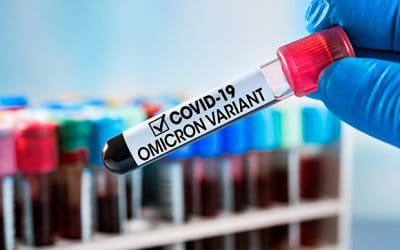
A warning has been issued to UK MPs from the head of NHS England that hospitalisations could exceed numbers recorded in January 2021.

The DIOSvax technology produced by the University of Southampton aims to predict how the virus could mutate.

Omicron has been the latest variant to test the effectiveness of COVID-19 vaccines.

The public have been assured more sites, mobile units and pop-ups would be set up across the country to fulfill the vaccination pledge ahead of the original deadline of 31 January 2022.

Nivolumab plus ipilmumab has been accepted as a treatment option for adult patients by NHS Scotland for patients who have previously failed fluoropyrimidine-based chemotherapy.

The approval from the European Commission (EC) is based on the results of five clinical studies, involving over 2,800 patients.

A team at The Institute of Cancer Research (ICR), London and the Clinical Trials Research Unit (CTRU) at the University of Leeds adopted a new high-speed trial methodology.

In October 2021, over 356,000 people in England had been waiting for over six weeks for a key diagnostic test
