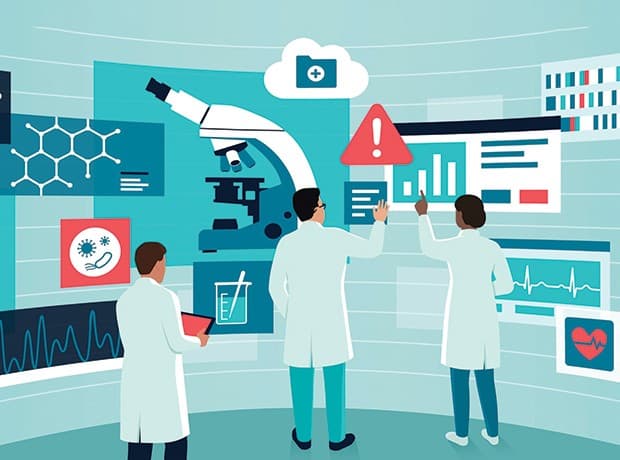
Ongoing drug safety monitoring is critical not only for regulatory compliance and risk management but also to maximise the benefits of products for patients.
This applies even more so as the industry diversifies into new therapy areas where longer-term side effects may be difficult to predict. As drug development ambitions rise, and as overall adverse event case processing workloads soar, a smarter approach underpinned by AI and advanced automation is becoming essential, says Qinecsa’s Adam Sherlock.
Up to now the value added by pharmacovigilance, beyond satisfying regulatory demands and managing risk, has been somewhat overshadowed by the need to cope with rising workloads in the context of a challenging economy and finite budgets.
Check out the rest of the feature here